Facebook Twitter Youtube Instagram
Frontera

Who gets Mexico’s missing money?

This story is part of Reporting the Border, a project of the International Center for Journalists in partnership with the Border Center for Journalists and Bloggers.

Click here for the Spanish version, translated by Jorge Luis Sierra, president of the Border Center for Journalists and Bloggers.

More than a decade after federal investigators began seizing Texas real estate and bank accounts owned by former Mexican officials who had plundered public coffers, the U.S. Department of Justice (DOJ) says it’s returning some of that money to the country where it was stolen. 

The DOJ said plans to send $26 million to Mexico represent a historic first: The United States has never returned the recouped proceeds of corruption to its southern neighbor.

That money is a portion of tens of millions of dollars federal prosecutors based in Texas recovered during a sprawling investigation into state and municipal officials from Mexico that the Texas Observer has chronicled the last two years.

From 2012 to 2018, prosecutors and federal agents in Houston, San Antonio, Corpus Christi, and the Rio Grande Valley aggressively targeted government officials and business owners from four Mexican states who the Department of Justice alleged had stolen public funds and laundered the money in Texas. They traced stolen money to condos on South Padre Island, gas stations and strip malls in Brownsville, a storage tower in San Antonio that sold for nearly $11.5 million, and homes in the Austin and Houston areas. The cases illustrate how the United States struggles to deter kleptocrats from laundering money here and exposed shortcomings in banking and real estate regulations. The DOJ eventually abandoned the prosecutions, dismissing indictments and quietly settling civil lawsuits—but not before recovering tens of millions of dollars through forfeiture, the legal process of compelling a property owner to surrender assets. 

The plans to return some of that money—victims of financial crimes can petition to recover funds seized by the Department of Justice—raise new questions about how the United States should handle dirty money from abroad. The DOJ’s stated goal in seizing the money is to make the United States a less attractive place for corrupt foreign officials to launder money and to return embezzled public funds.

“These monies that these kleptocrats steal … first of all greatly impoverish the people in the country, and second of all completely undermine the mechanisms for democracy and rule of law these countries need to ensure kleptocracy doesn’t continue,” said Tutu Alicante, a human rights activist from Equatorial Guinea living in exile in the United States.

But returning that money isn’t always easy. In many countries, the corruption that allowed the theft in the first place still exists even when the United States is trying to give the money back.

When repatriating the proceeds of corruption, countries like the United States need to ask, “Who ultimately is the victim of the corruption?” said Sarah Saadoun, a senior researcher at Human Rights Watch. “In situations like this, where public funds are stolen … the question becomes, what would benefit the public the most?”

In 2017, Mexico’s government sent a request to then-Attorney General Jeff Sessions asking for $2.28 million the U.S. government had seized from a Bermuda bank account belonging to former Coahuila state Treasurer Héctor Javier Villarreal Hernández. Coauhila, which borders parts of South and West Texas, has been in dire financial straits since 2011, when news broke that Villarreal and other officials had siphoned hundreds of millions of dollars from a massive public works campaign. Today the state owes nearly $2 billion. 

Villarreal was eventually accused in Mexico of falsifying government records to take out nearly $250 million in loans on the state’s credit and, in the United States, of laundering tens of millions of dollars through Texas real estate and bank accounts. Mexico’s federal government is ultimately responsible for paying the debt Villarreal fraudulently accrued, wrote Raúl Cervantes Andrade, Mexico’s attorney general at the time of the 2017 petition. In April of this year, the Department of Justice said it will return $26 million of the money it has recovered.

In Mexico, that’s sparked a debate over whom should get the money, and confusion reigns about how it will be spent. The Department of Justice says Mexico’s federal government has pledged to spend the money on a fentanyl education program. State officials in Coahuila have called for it to be returned to them. Mexican President Andrés Manuel López Obrador has said if he sends the money to Coahuila, it will just be stolen again.

“We have to ensure that it’s being handled well, because people are already saying it should be sent to Coahuila. No,” López Obrador said during a May press conference. “To the people of Coahuila, yes, but we need to be careful with how we handle this money.”

Corruption and impunity remain problems at the federal level in Mexico as well. López Obrador has faced allegations of corruption and his security forces have perpetrated human rights abuses and engaged in domestic spying. As if to underscore how far the corruption reaches, Villarreal, who pleaded guilty to financial crimes in 2014 in San Antonio but still hasn’t been sentenced, testified earlier this year in the New York trial of Genaro García Luna, Mexico’s former head of public security. A jury found García Luna guilty of taking bribes from drug traffickers, and he’s accused in a separate civil lawsuit, filed by Mexico’s federal government in Miami, of inflating contracts in exchange for bribes.

Mexico has also failed to bring charges against other former Coahuila officials. Villarreal is still wanted in Mexico, but prosecutors there have not charged the dozens of other former officials and state contractors he’s testified were involved in a complex scheme involving inflated and falsified contracts. The fraudulent loans, which are the focus of Mexico’s investigation, were part of a much larger conspiracy to defraud the state and control the political process in Coahuila, Villarreal testified before a Corpus Christi federal judge in 2021.

At the state level, “the accountability systems are very weak, and the governors are very corrupt,” said Raúl Benítez Manaut, a professor and researcher at the Autonomous University of Mexico and an expert on U.S.-Mexico relations. There’s more oversight at the federal level, but “the government of López Obrador is not serious about combating corruption,” he added.


When the Department of Justice reached a settlement in 2014 with the son of Equatorial Guinea’s president to turn over more than $30 million in U.S. assets prosecutors said were purchased with the proceeds of corruption, simply returning it to the country from where it was stolen was not an option. President Teodoro Obiang Nguema Mbasogo has ruled since 1979, and U.S. officials realized once his son’s Malibu mansion, Ferrari sports car, and rare Michael Jackson memorabilia were sold off, the money could end up back in the hands of the same despotic family that has plundered the Central African nation for decades. Obiang’s son, who purchased all those assets, is now the country’s vice president.

After seven years of negotiating, the United States and Equatorial Guinea agreed to send nearly $20 million to the United Nations for a COVID-19 vaccine program and more than $6 million to a charitable organization in Maryland.

One problem, said Alicante, whose nonprofit EG Justice worked with U.S. investigators trying to understand the theft of public funds in Equatorial Guinea, was that by the time the money was donated, the country already had a vaccine program. The Department of Justice had come up with a novel solution to the problem of returning ill-gotten gains to foreign nations, but those decisions should involve civil society in the country where it was stolen, Alicante said.

“You have to have some mechanisms for accountability,” he said. “It’s great that you can give vaccines to people. But are we ensuring the people who suffered most from kleptocracy are prioritized?”

Trying to return money through nongovernmental organizations would be difficult in Mexico, Benítez Manaut said. For one thing, López Obrador is deeply distrustful of nongovernmental organizations, particularly those with ties to the United States. For another, U.S. anti-drug and anti-immigration policies are deeply reliant on Mexico’s help.

In the Coahuila case, the United States has a potentially simple solution: use the $26 million to pay off some of the state’s crushing debt. As to why the United States and Mexico haven’t agreed to that, Benítez Manaut said, “I don’t know the answer.”

Questions also remain about how much money the United States has recovered. Court records and public auction results show Villarreal forfeited $34 million in real estate and bank accounts to the federal government and nearly $6 million more to Bexar County. Federal judges in San Antonio have sealed portions of settlements with a Coahuila businessman and the mother-in-law of a former governor, making it impossible to know who ended up with their money. Defendants have also surrendered property behind closed doors, including a Mercedes McLaren, a rare sports car that can sell for hundreds of thousands of dollars, that Villarreal testified he forfeited.

Department of Justice officials would not agree to an interview for this story. Instead, the agency said in a statement: 

“DOJ provides remission to qualifying victims from assets recovered in the case net of expenses. Sometimes only a portion of the loss are recovered in forfeiture in a case. For example, sometimes a defendant spends the funds on items that cannot be recovered like living expenses or entertainment, other times the defendant spends the money on assets that have not been maintained and thus the value is less than the original purchase price.”

Transparency “matters on both sides of the border,” Saadoun said. “I think it matters both to make sure the U.S. is fully accounting for all of the assets that were [seized] … and making sure once it is repatriated it actually … goes to repay the original loans or is going to some other way of benefiting the public.”

This story was publish originaly in Texas Observer


JASON BUCH is an independent journalist based in Texas. A native of Austin, Buch spent 10 years covering immigration and the Texas-Mexico border for Texas newspapers.

COAHUILA DEPARTMENT OF JUSTICE FOLLOW THE MONEY MEXICO MONEY LAUNDERING RAÚL CERVANTES ANDRADE

Rincón Animal

Había 9 cadáveres de perros en «Hábitat Refugio Animal»

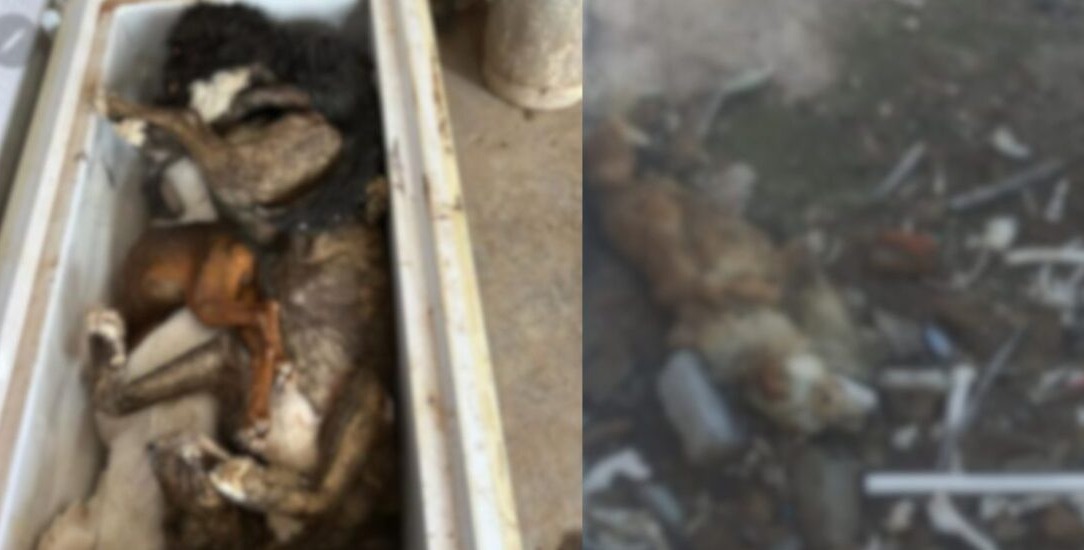
Luego de que se diera a conocer sobre las condiciones en que se encontraba el albergue «Hábitat Refugio Animal», el cual pertenecía a Alejandro Mondragón, quien era empleado del Centro de Bienestar Animal del Municipio, la orden de cateo emitida por la Fiscalía General del Estado, reveló que dentro del lugar había nueve cuerpos de perros en un refrigerador.

Sin embargo, debido al estado de descomposición, no se les pudo realizar la necropsia para verificar la causa de muerte.

Al respecto, César René Díaz Gutiérrez, titular de la Dirección de Ecología y Protección Civil, refirió que el Municipio no tiene la facultad para practicar este tipo de procedimientos, debido a que no cuenta con un laboratorio en donde realizarlo.

Circuito Frontera platicó también con Olivia Ceballos, directora de la asociación  Institución por la Educación y Defensa Animal A.C (IEDA), quien reveló detalles sobre la denuncia interpuesta en contra del refugio.

Video cortesía IEDA

Dijo que la denuncia surgió después de que IEDA recibiera un reporte sobre las condiciones en las que se encontraban los animales en el mencionado albergue, en donde les indicaron que había un perro muerto, rodeado de huesos que claramente pertenecían a otros animales, así como instalaciones extremadamente sucias con heces sin limpiar.

Mencionó que acudieron al lugar a revisar el espacio y cuando llegaron al albergue localizaron animales en condiciones lamentables, así como varios estaban heridos por pelearse entre ellos, y un nivel de suciedad inaceptable. 

ESCUCHA NUESTRA COLABORACIÓN CON PLATAFORMA INFORMATIVA

Donde también descubrieron a un animal, aparentemente una vaca, con agua verdosa y extremadamente sucia en su recipiente, lo que indicaba un grave descuido.

Para abordar la situación, IEDA se puso en contacto con las autoridades competentes, incluyendo a la Dirección de Ecología del Municipio, aunque la animalista consideró que las autoridades minimizaron la gravedad de la situación, lo que los llevó a presentar una denuncia formal ante la Fiscalía General del Estado.

Esta denuncia condujo a una orden de cateo en el albergue, donde se encontraron animales en condiciones críticas y un congelador con varios animales muertos.

 De manera extraoficial, Circuito Frontera tuvo acceso a la órden de cateo en donde se indica que fueron los cadáveres de perros localizados en el lugar.

Agregó que las pruebas visuales de animales desnutridos y extremadamente delgados, cuyos esqueletos eran visibles, contrastan fuertemente con los informes oficiales que describen problemas menores.

Señaló que, hasta la fecha, no se han proporcionado actualizaciones claras sobre el estado de la investigación en curso por parte de la Fiscalía, por lo que espera que el Ministerio Público aclare la situación y tome medidas adecuadas para garantizar la justicia en este caso de presunto abuso animal.

Cabe recordar que la denuncia se hizo pública a través de Facebook el pasado 19 de agosto, sin embargo, la investigación continúa su curso, declaró César René Díaz Gutiérrez, titular de la Dirección de Ecología y Protección Civil.

Imágenes de cortesía IEDA

Explicó que se levantaron actas administrativas y se impuso una multa al propietario del albergue por el estado en el que se encontraban los perros, incluyendo deshidratación y desnutrición. Sin embargo, la investigación penal sigue en curso. 

Dijo que, a pesar de que el dueño de este lugar no fue detenido, aún está por concluir la investigación, así como podría ser acreedor de una sanción de tipo penal, de acuerdo con lo que marca la Ley de Bienestar Animal.

Sobre la orden de cateo, el funcionario indicó que no fue necesario implementarla, ya que el dueño del refugio dio acceso a las autoridades para la revisión del espacio.

Reiteró que la autoridad local no cuenta con laboratorios para realizar necropsias, lo que dificulta determinar la causa exacta de la muerte de los animales. 

Sin embargo, Díaz Gutiérrez subrayó que, aunque los exámenes médicos se realizaron principalmente para fines administrativos, se espera que la investigación penal conduzca a una posible sentencia condenatoria basada en las pruebas disponibles y el estado de los animales. 

Border

Over 60 lost elderly individuals end up in shelters


Translated by Jesús Ronquillo / Circuito Frontera


On any given Sunday afternoon, during a church service, Lorenzo, a man with speech problems who is also on a wheelchair, was abandoned at the Chapel of the San Antonio asylum (Asilo San Antonio). Since then, he has been living in the shelter and is about to complete a year as a resident there.

Click here for the original version in spanish

This situation seems to be somewhat «common» as just that week, the San Antonio asylum received another elderly person for the same reasons, as explained by Sister Socorro Solís, in charge of the facility.

This shelter, along with at least four others, are where elderly individuals who were not «claimed» by their family members are sent, according to personnel from the Municipal Police.

According to information from the police force, in 2022, a total of 121 elderly individuals who were lost on the streets of Ciudad Juárez were taken in.

However, at least 68 of them were sent to municipal shelters after their family members couldn’t be located and no one came to pick them up.

This figure represents 56.19 percent of the total number of elderly individuals who went missing in this border city.

Lorenzo was abandoned at the Chapel of the San Antonio asylum however he feels happy / Foto: Mat Romero

Additionally, personnel from the Municipal Police reported that they also provided shelter for 103 girls, boys, and adolescents in this locality, out of which only 21 were transferred to shelters.

It was indicated that in the case of minors, the Office of the Defense of Minors (DIF) is the entity responsible for following up on each individual’s situation.

However, in the case of elderly individuals, it would be the shelters themselves who would take care of them.

They mentioned that some of the shelters where elderly individuals have been transferred include: Prince of Peace, My Hope, Abandoned Elderly, Jasmines, and Senecú.

Circuito Frontera visited the San Antonio nursing home, better known as Senecú, where the person in charge of the place mentioned that they have had several similar cases.

She indicated that at that location, they attended to a man named Lorenzo, who was alone with his wheelchair inside the chapel, as if waiting for someone to pick him up.

On many occasions, the care of the elderly is left to the goodwill of the citizens, civil and religious associations, despite the fact that it is the State’s responsibility to take care of them.

According to Article Six of the Law for the Rights of Older Adults, the State must guarantee optimal conditions of health, education, nutrition, comprehensive development, and social security, including housing, for this population group.

It is worth noting that attempts were made to contact personnel from the Family Integral Development in the State; however, no response was received.»

Frontera

Puente Libre of Ciudad Juárez: History and Border Connection


Translated by Jesús Ronquillo / Circuito Frontera


Those who are compelled to cross into the United States for work or school-related reasons might believe they are very familiar with each of the international bridges that this border boasts.

However, most of the time, we are unaware that the urban structure wasn’t always there and didn’t always contribute to our citizen identity.

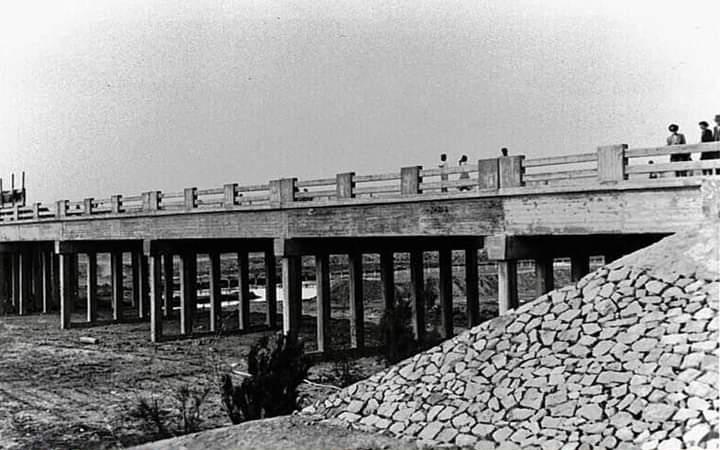
According to the historian from Ciudad Juárez, Antonio Ramos Solís, renowned for his persona «Don Chendo,» on August 27th, 1959, at 6 o’clock in the evening, the Cordova Americas International Bridge, better known as the Puente Libre, was inaugurated.

This is how the Córdova Americas International Bridge originally looked / Photo: Juárez in Postcards.

This is the only international bridge in Ciudad Juárez that can be used without needing to pay to access it, making it a favorite for many people.

As a result, people often refer to this international crossing as the «Puente Libre,» one of the busiest for those who daily travel from Ciudad Juárez to El Paso, Texas, or vice versa.

In the article «International bridges as historical elements of border identity,» authored by Brenda Isela Ceniceros Ortíz from the Autonomous University of Ciudad Juárez, in collaboration with Catherine Rose Ettinger Mcenulty from the Michoacana University of San Nicolás de Hidalgo, it is explained that its official name stems from the historical event of the «El Chamizal» dispute.

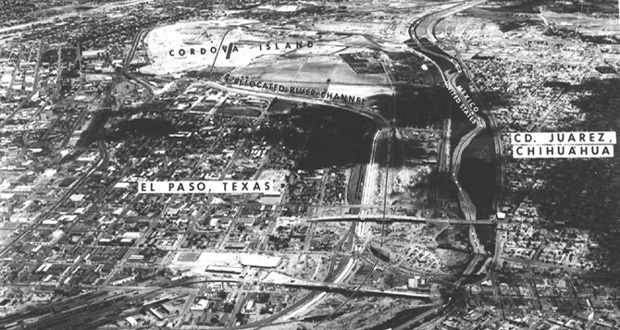
In the 1960s, this Mexican territory is returned to the country, and a portion of the area called «Isla de Córdova» once again becomes part of the United Mexican States.

El Chamizal Dispute between Mexico and the United States / Photo: Juárez of Yesterday

This crossing gives its name to an important avenue: ‘avenida de las Americas’, which is located in the El Chamizal area, connecting the city with the I-10 highway in El Paso, Texas.

Initially, this bridge was a set of four bridges; two used for truck traffic and two for vehicular traffic, all with a length of 154.2 meters.

But later, in September 1993, governments from both sides of the border determined it necessary to replace the structures, because there was a risk to users of an imminent collapse.

In 1996, the construction of four other bridges began, which were completed two years later. Of these, two were designated for commercial traffic in both directions and the other two for passenger vehicles.

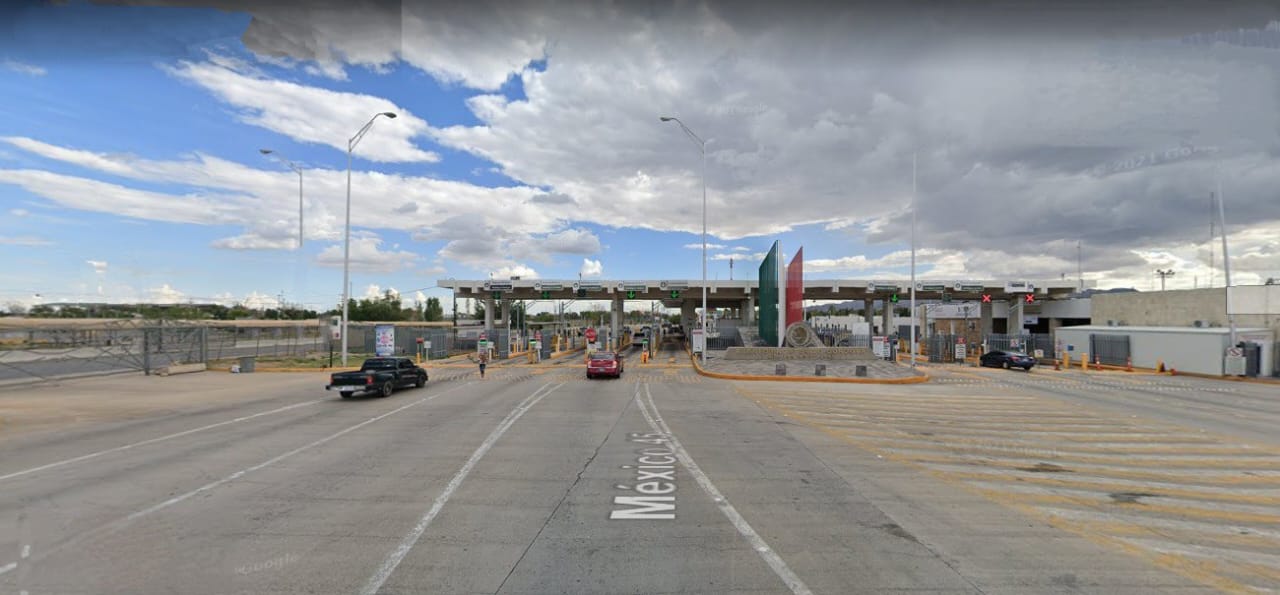
Bridge of the Americas Inspection Gate / Photo: Google Maps

For those who choose to cross to the United States through this bridge, it is possible to have a view of ‘El Parque Chamizal’ from both sides of the border.

Additionally, there are monuments and historical structures such as the Monument to the Taking of El Chamizal, the iconic Plaza of the Flags or «The Indomables,» whose work is commonly referred to as «the horses.»

Likewise, it is very close to the El Chamizal Archaeology and History Museum, another reason that makes it a tourist option for those who decide to enter the country.

Aerial view of the bridge / Photo: Border Bridges Trust

Migración

Identificadas 9 víctimas de desaparición en Coyame: FGE

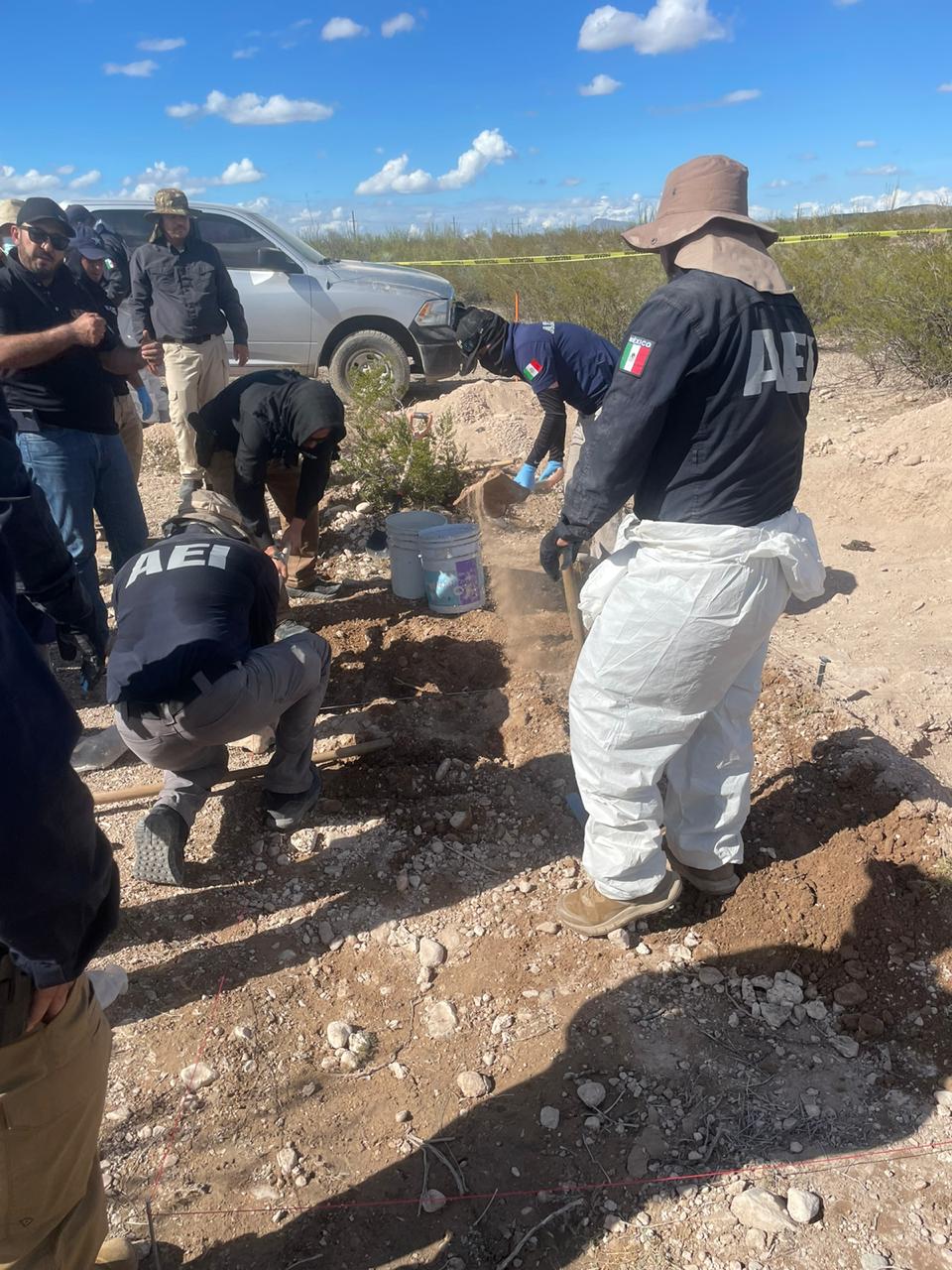
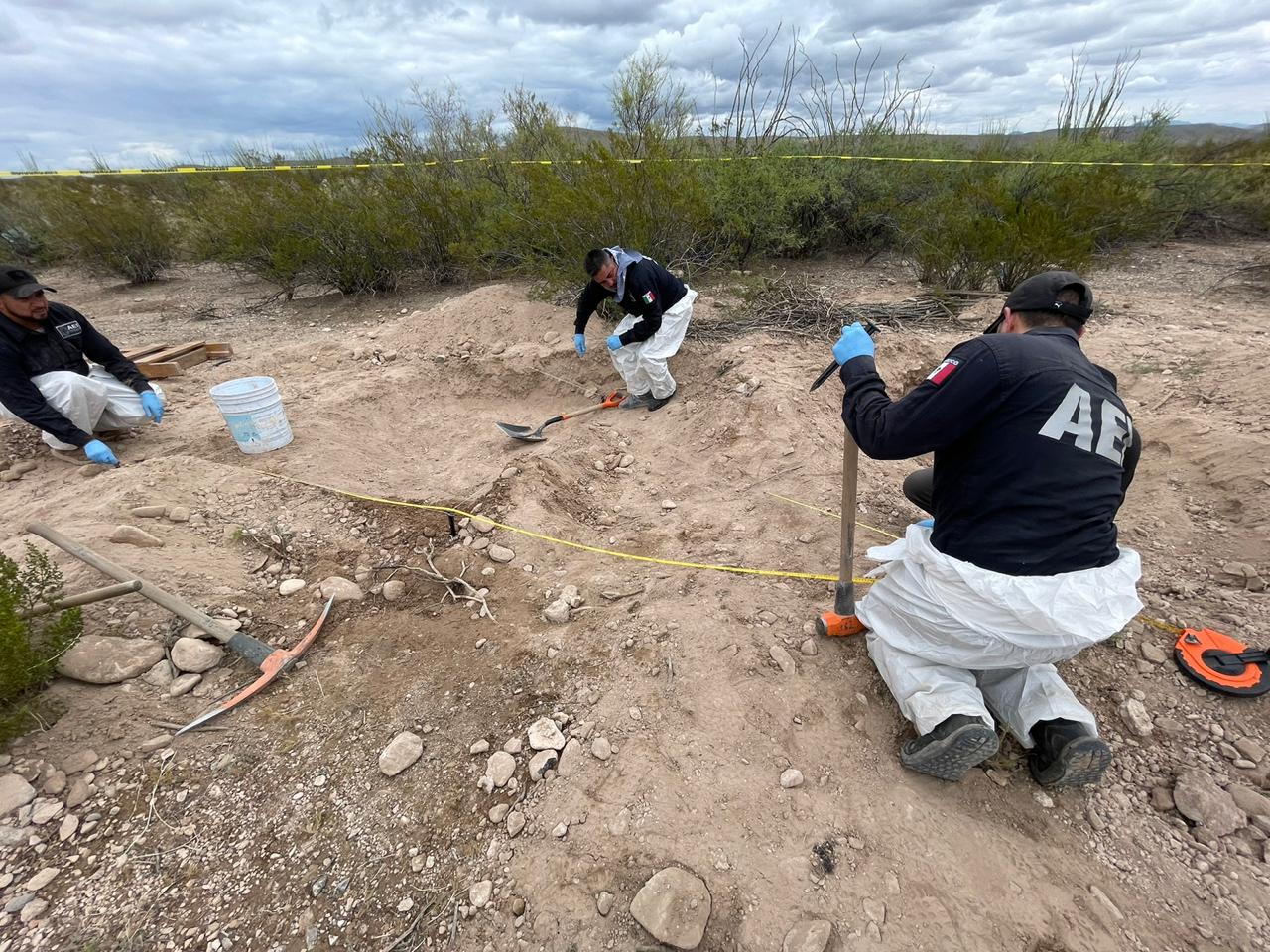
Nueve de las diez personas localizadas en el predio El Mimbre, en el municipio de Coyame, fueron identificadas por especialistas forenses de la Fiscalía General del Estado.

A través de un comunicado, la FGE dio a conocer que la mañana de este martes sostuvieron una reunión con familiares de los migrantes desaparecidos en Coyame, para informarles los avances en el proceso de identificación.

Los especialistas en medicina y antropología informaron que hasta la fecha han logrado la identificación genética de nueve de las diez personas que fueron localizadas en el predio conocido como El Mimbre, en el municipio de Coyame, pero aún están a la espera de los resultados que confirmarán la última identidad.

Cabe recordar que el grupo de 13 migrantes se reportó desaparecido desde el pasado 25 de septiembre de 2021 en la zona de El Mimbre, uno de los cuales fue localizado con vida, por lo que se abrió una carpeta de investigación y se desarrollaron trabajos de búsqueda para dar con el paradero de los 12 restantes.

Agentes investigadores en la zona de El Mimbre / Foto: Cortesía FGE

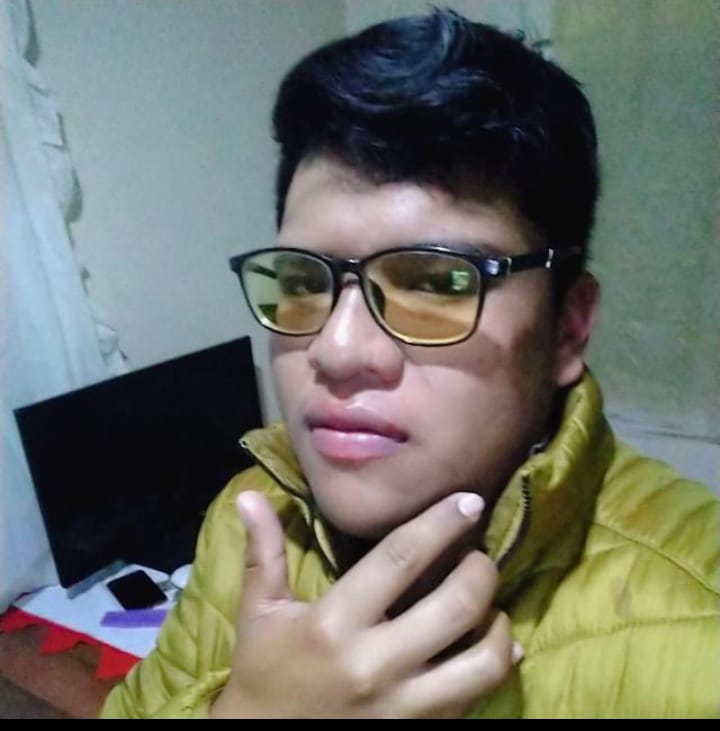
En esa ocasión se hizo del conocimiento público que Omar Reyes López, un joven de 19 años solicitó ayuda a través de un mensaje de WhatsApp, cuando se encontraba con su grupo perdido en el desierto.

De acuerdo con el informe oficial, Reyes López se separó del grupo de migrantes con el que trató de ingresar a Estados Unidos desde Ciudad Juárez y tras varios días perdido en el desierto mandó una nota de voz pidiendo ayuda: “Estoy vivo, pero cansado”.

Omar Reyes López, joven hidalguense desaparecido en el desierto de El Mimbre / Foto: Tomada de Internet

Por lo anterior, la FGE se comprometió a iniciar los procesos legales necesarios para la entrega de los cuerpos a las familias y a gestionar los apoyos requeridos para los traslados a sus lugares de origen.

La identificación de estas personas desaparecidas es un paso esencial para esclarecer los hechos y garantizar que se haga justicia.

Durante una reunión, presidida por la Fiscal Especializada en Investigación de Violaciones de Derechos Humanos y Desaparición Forzada, Ada Miriam Aguilera, estuvieron presentes también el Director de Servicios Periciales, Javier Sánchez Herrera, y asesores del Fiscal General, además de representantes del Centro de Derechos Humanos de las Mujeres (CDHM), que representa legalmente a las víctimas indirectas del caso.

Autoridades confirmaron la identidad de nueve migrantes hasta el momento / Foto: FGE

Comunidad de medios